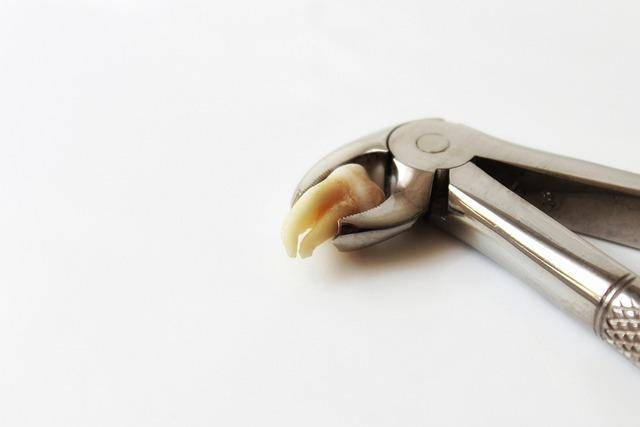
Equine Tooth Removal: Veterinary Dental Procedures
Few animals rely on their teeth as much as horses do. From grazing in the pasture to competing in high-intensity sports, a horse’s dental health is crucial for their overall well-being and performance. In this article, we explore the intricate world of equine tooth removal, a veterinary dental procedure that plays a vital role in keeping our four-legged companions healthy and happy. Stay tuned as we break down the facts and myths surrounding this complex yet essential aspect of equine healthcare.
Contents
- Why Equine Tooth Removal may be Necessary
- Equine Tooth Removal: Veterinary Dental Procedures
- Signs that an Equine Tooth Needs to be Removed
- Different Methods of Equine Tooth Removal
- Benefits of Veterinary Dental Procedures for Equine Tooth Removal
- Common Complications Associated with Equine Tooth Removal
- Recovery Process After Equine Tooth Removal
- Veterinary Care and Monitoring Post Equine Tooth Removal
- Preventative Measures to Avoid Equine Tooth Removal
- Choosing a Qualified Equine Veterinarian for Dental Procedures
- Closing Remarks
Why Equine Tooth Removal may be Necessary
Equine Tooth Removal: Veterinary Dental Procedures
When it comes to equine dental care, tooth removal is sometimes necessary to maintain the overall health and well-being of your horse. There are several reasons why a veterinary dentist may recommend tooth removal for your equine companion:
- Decayed Teeth: Just like humans, horses can also suffer from tooth decay. If left untreated, decayed teeth can lead to infection and other serious dental issues.
- Impacted Teeth: Sometimes a horse’s teeth may not erupt properly, becoming impacted. This can cause discomfort and difficulty eating, requiring tooth removal to alleviate the problem.
- Sharp Points: Over time, a horse’s teeth can develop sharp points that can cause cuts and sores in their mouth. Tooth removal may be necessary to smooth out these points and prevent further damage.
It is important to consult with a qualified veterinary dentist to determine if tooth removal is necessary for your horse. Regular dental check-ups and cleanings can help prevent the need for tooth removal in the future.

Signs that an Equine Tooth Needs to be Removed
When it comes to equine dental health, recognizing the signs that a tooth may need to be removed is crucial. Here are some common indicators that a horse may need a tooth extraction:
- Persistent pain or discomfort: If your horse is showing signs of pain while eating or chewing, it could be a sign that a tooth is causing discomfort.
- Difficulty eating: If your horse is having difficulty chewing or dropping food while eating, there may be a dental issue that requires extraction.
- Swelling or infection: Swelling around the jaw or signs of infection in the mouth can indicate a problem tooth that needs to be removed.
- Abnormal tooth growth: If a tooth is growing abnormally or causing issues with the alignment of nearby teeth, extraction may be necessary.
Common Signs of Equine Tooth Issues
| Signs | Description |
|---|---|
| Pain or discomfort | Visible signs of discomfort while eating or chewing. |
| Difficulty eating | Struggling to chew food properly or dropping it while eating. |
| Swelling/infection | Visible swelling around the jaw or signs of infection in the mouth. |
| Abnormal growth | Tooth growing in a way that affects nearby teeth or overall dental health. |
If you notice any of these signs in your horse, it’s essential to consult with a veterinary dentist to determine if tooth removal is necessary for your equine companion’s oral health.

Different Methods of Equine Tooth Removal
There are various methods that veterinarians use for equine tooth removal, each tailored to the specific needs of the horse. These procedures are crucial for maintaining the overall health and wellbeing of the animal. Here are some of the common methods used in veterinary dental practices:
- Traditional Tooth Extraction: This method involves manually extracting the problematic tooth using specialized tools and techniques. It is typically used for straightforward cases where the tooth can be easily accessed.
- Surgical Tooth Extraction: In more complex cases, such as impacted teeth or abscesses, a surgical extraction may be necessary. This procedure involves making an incision to access the tooth and remove it carefully.
- Grinding or Floating: For minor dental issues, grinding or floating the teeth may be sufficient. This process involves smoothing out rough edges or correcting uneven surfaces to prevent further dental problems.
In some situations, a combination of these methods may be used to ensure the best outcome for the horse. It is essential to consult with a qualified veterinarian to determine the most appropriate course of action based on the specific dental issues present. Regular dental check-ups and preventive care are also key to maintaining healthy teeth and gums in horses.
| Method | Description |
|---|---|
| Traditional Tooth Extraction | Manually extracting the tooth using specialized tools |
| Surgical Tooth Extraction | Making an incision to access and remove the tooth |
| Grinding or Floating | Smoothing out rough edges or correcting uneven surfaces |

Benefits of Veterinary Dental Procedures for Equine Tooth Removal
Veterinary dental procedures for equine tooth removal offer a wide range of benefits for horse owners and their animals. Not only does this type of procedure ensure the overall oral health of the horse, but it can also improve their quality of life and prevent future dental issues.
One of the key benefits of equine tooth removal through veterinary dental procedures is the prevention of dental pain and discomfort in horses. By removing problematic teeth or correcting issues such as malocclusions, veterinarians can alleviate pain and improve the horse’s ability to eat, chew, and maintain proper nutrition.
Additionally, veterinary dental procedures for equine tooth removal can help prevent more serious dental issues from developing in the future. By addressing problems early on, veterinarians can avoid complications such as infections, abscesses, or even systemic health issues that can arise from untreated dental issues.
Overall, equine tooth removal through veterinary dental procedures is an essential aspect of maintaining the oral health and well-being of horses. By investing in regular dental care for your horse, you can ensure their comfort, health, and longevity.

Common Complications Associated with Equine Tooth Removal
Equine tooth removal is a necessary procedure that can help maintain the overall health and well-being of your horse. However, like any surgical procedure, there are potential complications that can arise. It’s important to be aware of these risks so that you can make informed decisions regarding your horse’s dental care.
Some include:
- Infection: After a tooth is removed, there is a risk of infection developing in the extraction site. This can lead to pain, swelling, and other complications if not treated promptly.
- Damage to surrounding teeth: During the removal process, there is a possibility of damaging neighboring teeth. This can result in further dental issues that may require additional treatment.
- Excessive bleeding: In some cases, horses may experience excessive bleeding following tooth removal. This can be managed by your veterinarian, but it’s important to monitor your horse closely for signs of continued bleeding.
- Delayed healing: Some horses may experience delayed healing after tooth removal, which can prolong the recovery process. Your veterinarian will provide guidance on how to care for your horse during this time.

Recovery Process After Equine Tooth Removal
After undergoing equine tooth removal, it is essential to follow a proper recovery process to ensure your horse heals effectively. Here are some key steps to take post-procedure:
- Monitoring: Keep a close eye on your horse for any signs of discomfort or complications.
- Medication: Administer any prescribed pain medication or antibiotics as directed by your veterinarian to manage pain and prevent infection.
- Diet: Provide soft, easily digestible food such as soaked hay or specialized feeds to support your horse’s healing process.
- Follow-up: Schedule a follow-up appointment with your veterinarian to ensure the extraction site is healing properly.
By following these recovery guidelines and providing your horse with the necessary care and attention, you can help them recover smoothly after equine tooth removal.

Veterinary Care and Monitoring Post Equine Tooth Removal
After equine tooth removal, it’s crucial to provide proper veterinary care and monitoring to ensure the horse’s health and well-being. The following steps are essential for post-operative care:
- Pain Management: Administering pain medication as prescribed by the veterinarian is important to keep the horse comfortable.
- Monitoring: Regularly checking the horse’s vital signs such as temperature, heart rate, and respiratory rate can help detect any complications early on.
- Feeding: Providing soft or soaked feed to the horse can help prevent discomfort while their mouth heals.
- Follow-up Appointments: Scheduling follow-up appointments with the veterinarian can ensure that the healing process is progressing as expected.
It’s crucial to follow these guidelines to promote a speedy recovery and prevent any potential issues that may arise post equine tooth removal. With proper care and monitoring, the horse can return to normal activities in no time.

Preventative Measures to Avoid Equine Tooth Removal
Proper dental care is crucial for maintaining the overall health and well-being of your horse. By taking a proactive approach and implementing preventative measures, you can help avoid the need for equine tooth removal. Here are some strategies to keep your horse’s teeth healthy:
- Regular Dental Check-ups: Schedule routine dental exams with a qualified veterinarian to monitor your horse’s oral health and address any issues early on.
- Proper Diet: Provide your horse with a balanced diet that includes plenty of roughage to promote natural tooth wear and prevent malocclusions.
- Regular Dental Floating: Have your horse’s teeth floated regularly to file down sharp points and hooks that can lead to discomfort and dental problems.
- Supplemental Dental Care: Consider using equine dental treats or toys designed to promote chewing and support dental health.
By incorporating these preventative measures into your horse’s dental care routine, you can help reduce the likelihood of requiring equine tooth removal and ensure your horse maintains a healthy and functional set of teeth for years to come.

Choosing a Qualified Equine Veterinarian for Dental Procedures
When it comes to equine dental procedures, it is crucial to choose a qualified veterinarian who has experience and expertise in this specialized field. Equine dental care is a vital aspect of overall horse health, and improper treatment can lead to serious issues down the line. Here are some key factors to consider when selecting a veterinarian for your horse’s dental needs:
- Experience: Look for a veterinarian who has a proven track record of performing successful equine dental procedures. Experience is key when it comes to handling delicate dental issues in horses.
- Educational Background: Make sure the veterinarian has received proper training and education in equine dentistry. Look for certifications or additional coursework in this area.
- Equipment and Facilities: Choose a veterinarian who has access to state-of-the-art dental equipment and facilities. This can ensure that your horse receives the best possible care during their dental procedure.
- References and Reviews: Don’t be afraid to ask for references or look up reviews from other horse owners who have used the veterinarian for dental procedures. This can give you valuable insight into the quality of care provided.
| Criteria | Vet A | Vet B |
|---|---|---|
| Experience | 10 years | 5 years |
| Educational Background | Equine dentistry certification | No additional training |
| Equipment and Facilities | State-of-the-art | Basic |
| References and Reviews | Positive reviews from clients | Unknown |
Closing Remarks
In conclusion, equine tooth removal is a crucial veterinary dental procedure that requires the expertise and precision of a trained professional. By addressing dental issues promptly, horse owners can ensure the overall health and well-being of their beloved animals.
Remember, regular dental exams and cleanings are essential for maintaining your horse’s oral health. If you notice any signs of discomfort or abnormal behavior, don’t hesitate to consult with your veterinarian.
With the right care and attention, your horse can continue to enjoy a happy and healthy life for years to come. Stay informed, stay proactive, and always prioritize your horse’s dental health. Thank you for reading!