DIY: Pulling Out Wisdom Tooth at Home – Safe or Risky?
If you’ve ever been plagued by a painful wisdom tooth, you might have considered taking matters into your own hands and attempting to remove it at home. But before you break out the pliers, it’s important to weigh the risks and benefits of this DIY dental procedure. Is pulling out a wisdom tooth at home safe or just plain risky? Let’s delve into the facts and explore all sides of this contentious issue.
Contents
- DIY Wisdom Tooth Extraction: Is it Safe?
- Potential Risks of Removing Wisdom Tooth at Home
- Benefits of Seeking Professional Dental Care
- The Importance of Proper Tools and Techniques
- Steps to Safely Remove Wisdom Tooth at Home
- Signs of Infection and When to Seek Professional Help
- Consulting with a Dentist Before Attempting DIY Extraction
- Understanding the Risks of DIY Wisdom Tooth Removal
- Follow-Up Care and Monitoring After DIY Extraction
- Final Thoughts: Weighing the Pros and Cons of DIY Approach
- In Retrospect
DIY Wisdom Tooth Extraction: Is it Safe?
Many people may wonder if they can take matters into their own hands when it comes to dealing with a pesky wisdom tooth. While the idea of a DIY wisdom tooth extraction may sound appealing for those looking to save money or avoid a trip to the dentist, the question remains - is it safe?
Before attempting to pull out a wisdom tooth at home, it’s important to consider the potential risks involved. Here are some factors to keep in mind:
- Pain and Discomfort: Extracting a tooth can be a painful process, and without proper anesthesia and tools, the experience could be excruciating.
- Infection: Removing a tooth in an unsterile environment can increase the risk of infection, leading to serious complications.
- Damage to Surrounding Tissues: Amateur extraction attempts can result in damage to nearby teeth, gums, and jawbones.
| Safe | Risky | |
|---|---|---|
| Pain and Discomfort | No | Yes |
| Infection | No | Yes |
| Damage to Surrounding Tissues | No | Yes |
Ultimately, the decision to attempt a DIY wisdom tooth extraction should not be taken lightly. It’s crucial to seek professional dental advice and treatment to ensure a safe and successful outcome. Your oral health is worth the investment in professional care.

Potential Risks of Removing Wisdom Tooth at Home
Attempting to remove a wisdom tooth at home can be a risky decision that may lead to various complications. It is crucial to understand the potential risks involved before trying to perform a dental procedure without professional help. Here are some of the dangers you may face:
- Infection: Without proper tools and sterilization procedures, there is a high risk of developing an infection during or after the wisdom tooth removal.
- Nerve Damage: Incorrectly extracting a wisdom tooth can result in nerve damage, leading to numbness, tingling, or even loss of sensation in the surrounding areas.
- Excessive Bleeding: Pulling out a tooth improperly can cause excessive bleeding that may be difficult to stop without proper medical equipment and expertise.
It is essential to weigh these risks carefully and consider seeking professional dental care to avoid potential harm and ensure a safe removal process.

Benefits of Seeking Professional Dental Care
When it comes to dental care, seeking professional help is always the recommended course of action. While it might be tempting to try DIY methods, like pulling out a wisdom tooth at home, it’s important to understand the risks involved.
Here are some of the :
- Expertise: Dentists have the training and experience to properly diagnose and treat dental issues.
- Precision: Professional dental procedures are done with precision, reducing the risk of complications.
- Preventive care: Regular dental check-ups can help prevent serious dental problems in the future.
- Comfort: Dental professionals have the tools and techniques to ensure a comfortable experience for patients.
| DIY Method | Professional Dental Care |
|---|---|
| High risk of infection | Minimal risk of infection |
| Increased pain and discomfort | Effective pain management |
| Damage to surrounding teeth and tissues | Precise treatment with minimal damage |
Ultimately, when it comes to your dental health, it’s best to leave it to the professionals. DIY methods can pose serious risks and may end up costing more in the long run. Trusting professional dental care is the safest and most effective way to maintain a healthy smile.

The Importance of Proper Tools and Techniques
When it comes to dental procedures, it’s always best to leave it to the professionals. Pulling out a wisdom tooth at home can be extremely risky and should not be attempted. cannot be stressed enough in this scenario.
Using the wrong tools or improper techniques can lead to serious complications such as infection, nerve damage, and excessive bleeding. It is crucial to seek help from a trained dentist who has the necessary skills and tools to safely extract a wisdom tooth.
Here are some reasons why DIY wisdom tooth extraction is not recommended:
- Increased risk of infection
- Potential nerve damage
- Excessive bleeding
Remember, when it comes to your oral health, it’s always best to consult with a professional. Don’t take any unnecessary risks by attempting risky procedures at home.

Steps to Safely Remove Wisdom Tooth at Home
Whether due to a lack of insurance or a fear of the dentist, the idea of pulling out a wisdom tooth at home may seem like a tempting solution. While some may have successfully removed their wisdom teeth without professional help, it is important to consider the risks involved.
**Here are some steps to safely remove a wisdom tooth at home:**
– **Cleanliness is key:** Before attempting to remove a wisdom tooth, it is essential to thoroughly clean the area with a toothbrush, floss, and antiseptic mouthwash to reduce the risk of infection.
– **Pain management:** To minimize discomfort during the procedure, consider taking over-the-counter pain medication such as ibuprofen or acetaminophen. Applying a cold compress to the outside of the cheek can also help reduce swelling and numb the area.
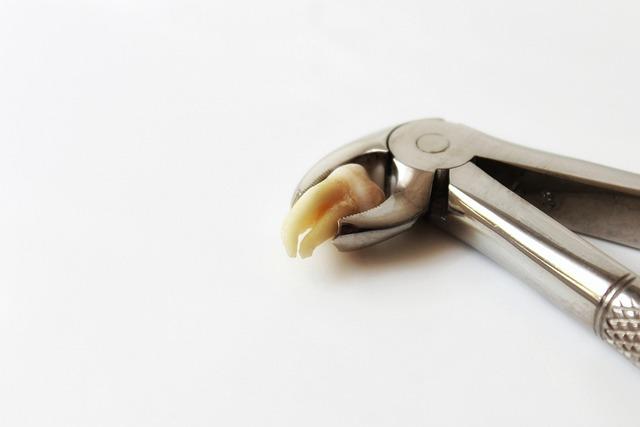
– **Use proper tools:** It is crucial to use the right tools for the job. A clean pair of tweezers or dental extraction forceps can help grip the tooth securely without causing unnecessary trauma to the surrounding tissue.
– **Seek professional help if needed:** If you encounter excessive bleeding, intense pain, or signs of infection such as swelling and pus, do not hesitate to seek professional dental help immediately. Ignoring these warning signs can lead to serious complications and long-term damage.
In conclusion, while it is possible to remove a wisdom tooth at home, it is important to weigh the risks and benefits carefully. Consulting with a dental professional before attempting any DIY dental procedures is highly recommended to ensure the safest and most effective outcome.
Signs of Infection and When to Seek Professional Help
It’s crucial to be aware of the signs of infection when attempting to pull out a wisdom tooth at home. Ignoring these signs can lead to serious complications and further health issues. Here are some common signs of infection to watch out for:
- Severe pain that doesn’t improve with pain medication.
- Swelling around the extraction site that worsens over time.
- Fever and chills, indicating a possible systemic infection.
- Pus or discharge coming from the extraction site.
If you experience any of these symptoms, it’s important to seek professional help immediately. Delaying treatment can result in the infection spreading to other areas of the body, causing more harm and potentially life-threatening complications. Remember, your health should always be a top priority, so don’t hesitate to contact a dentist or oral surgeon if you suspect an infection.

Consulting with a Dentist Before Attempting DIY Extraction
So you’re considering pulling out your wisdom tooth at home. Before you grab those pliers, it’s crucial to consult with a dentist to weigh the risks and benefits of attempting a DIY extraction.
Here are some key reasons why consulting with a dentist is essential:
- Assessment of the tooth: A dentist can evaluate the position of your wisdom tooth and determine if it is safe to remove at home without causing damage to surrounding teeth or nerves.
- Medical history: Your dentist will review your medical history to ensure that there are no underlying health conditions that may complicate the extraction process.
- Potential complications: A dentist can educate you on potential risks and complications associated with DIY extractions, such as infection, excessive bleeding, or nerve damage.
Ultimately, consulting with a dentist will provide you with the necessary information to make an informed decision about whether attempting a DIY extraction is a safe and viable option for you.

Understanding the Risks of DIY Wisdom Tooth Removal
Many people may consider attempting to remove their own wisdom teeth at home as a cost-effective and convenient alternative to seeing a professional dentist. However, it’s crucial to understand the serious risks involved in attempting a DIY wisdom tooth extraction.
Complications:
- Damage to surrounding teeth and nerves
- Risk of infection
- Excessive bleeding
- Incorrect extraction leading to incomplete removal
- Prolonged pain and discomfort
Expertise:
Professional dentists undergo years of training and experience to safely and effectively remove wisdom teeth. Attempting to do so at home without proper knowledge and tools can result in irreversible damage and long-term complications.
| Risks | Consequences |
|---|---|
| Damage to nerves | Numbness or tingling in the face |
| Risk of infection | Swelling, pain, and fever |
| Excessive bleeding | Potential for blood loss and prolonged recovery |
Follow-Up Care and Monitoring After DIY Extraction
After successfully extracting your wisdom tooth at home, it is essential to follow proper follow-up care to ensure proper healing and prevent any complications. Here are some important steps to take:
- Manage Pain: Take prescribed pain medication as needed and apply cold packs to reduce swelling.
- Monitor for Infection: Keep an eye out for signs of infection such as excessive swelling, pain, redness, or pus. Contact a healthcare professional if you suspect an infection.
- Practice Good Oral Hygiene: Gently rinse your mouth with warm salt water a few times a day to keep the extraction site clean and promote healing.
- Follow-Up Appointment: Schedule a follow-up appointment with a dentist or oral surgeon to ensure proper healing and address any concerns.
| Day | Activity |
|---|---|
| 1 | Rest, apply ice pack |
| 2-3 | Continue pain medication, rinse with salt water |
| 4 | Schedule follow-up appointment |
Final Thoughts: Weighing the Pros and Cons of DIY Approach
As we reach the end of this discussion on the topic of pulling out a wisdom tooth at home, it’s important to consider the pros and cons of taking the do-it-yourself (DIY) approach. While the idea of saving money and avoiding a trip to the dentist may sound appealing, there are significant risks involved in attempting such a procedure without professional guidance.
Pros:
- Cost-effective
- Convenient
- Potentially avoiding a dental visit
Cons:
- Risk of infection
- Damage to surrounding teeth and tissues
- Inadequate pain management
Ultimately, the decision to pull out a wisdom tooth at home should not be taken lightly. It is crucial to weigh the potential benefits against the possible complications before proceeding. Consulting a dentist for professional advice and guidance is highly recommended to ensure the safest and most effective outcome.
In Retrospect
In conclusion, while DIY wisdom tooth removal may seem like a cost-effective solution, it comes with significant risks that could lead to serious complications. Leaving this procedure to trained professionals is the safest option to ensure your well-being and long-term oral health. Remember, it’s always best to seek professional dental care when it comes to your teeth. Take care of yourself and make informed decisions when it comes to your health. Stay safe and stay informed. Thank you for reading.