Can a Vet Pull a Dog’s Teeth Without Anesthesia? Pet Dental Care Tips
When it comes to pet dental care, many owners wonder if a vet can safely pull a dog’s teeth without using anesthesia. In this article, we will explore the common practice of dental extractions in veterinary medicine and provide tips for maintaining your pet’s oral health. Join us as we uncover the truth behind this controversial topic and learn how to best care for your furry friend’s teeth.
Contents
- The Importance of Anesthesia in Pet Dental Procedures
- Risks of Performing Tooth Extractions Without Anesthesia
- Alternatives to Anesthesia for Pet Dental Care
- Common Myths About Anesthesia in Veterinary Dentistry
- Benefits of Routine Dental Care for Pets
- Tips for Maintaining Your Dog’s Dental Health at Home
- Discussing Anesthesia Options with Your Veterinarian
- Factors to Consider Before Opting for Anesthesia-Free Dental Procedures
- Proper Post-Extraction Care for Pets
- Choosing a Qualified Veterinarian for Your Pet’s Dental Needs
- In Summary
The Importance of Anesthesia in Pet Dental Procedures
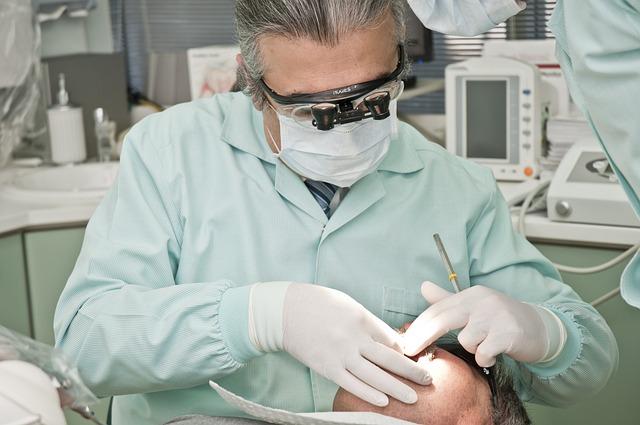
In pet dental procedures, anesthesia plays a crucial role in ensuring the safety and comfort of the animal. Without proper anesthesia, a vet pulling a dog’s teeth can be a traumatic and painful experience for the pet. Anesthesia allows the vet to perform the necessary dental work without causing unnecessary stress or pain to the animal.
During a dental procedure, anesthesia helps to relax the pet, making it easier for the vet to thoroughly examine the mouth and perform any necessary extractions or cleanings. Additionally, anesthesia helps to prevent the pet from moving or squirming during the procedure, reducing the risk of injury to both the pet and the vet.
Anesthesia also allows the vet to perform more comprehensive and thorough dental work, ensuring that all issues are addressed and treated effectively. This is especially important in older pets or pets with advanced dental disease, where more extensive treatment may be necessary for optimal oral health.
Overall, the use of anesthesia in pet dental procedures is essential for the well-being of the animal, allowing for a safe, comfortable, and effective dental treatment that promotes good oral health and overall quality of life for the pet.
Risks of Performing Tooth Extractions Without Anesthesia
Performing tooth extractions on dogs without anesthesia can be extremely risky and should be avoided whenever possible. Anesthesia is crucial for keeping the dog still and pain-free during the procedure, as well as preventing any potential complications.
Some of the include:
- Pain and discomfort for the dog
- Increased risk of infection
- Potential damage to surrounding tissues and nerves
It’s important to always consult with a qualified veterinarian before considering any dental procedures for your pet. Your vet can provide you with the best options for managing your dog’s dental health and ensuring a safe and successful procedure.

Alternatives to Anesthesia for Pet Dental Care
When it comes to pet dental care, anesthesia is often considered a necessity for procedures such as teeth cleaning or extractions. However, there are alternatives to anesthesia that can be used for pet dental care. While these methods may not be suitable for all pets or all procedures, they can be a viable option for some cases. Here are some :
- Dental Exams: Regular dental exams can help catch dental issues early on, potentially reducing the need for invasive procedures.
- Dental Gels: Some veterinarians may recommend using dental gels or solutions to help reduce plaque and tartar buildup.
- Dental Chews: Providing your pet with dental chews or toys specifically designed to promote dental health can help keep their teeth clean.
While these alternatives may not completely replace the need for anesthesia in all cases, they can be used in conjunction with traditional anesthesia to help maintain your pet’s dental health. Consulting with your veterinarian is always the best course of action to determine the most appropriate dental care plan for your furry friend.

Common Myths About Anesthesia in Veterinary Dentistry
Anesthesia is a necessary component of veterinary dentistry, especially when it comes to procedures like tooth extractions. Despite this, there are unfortunately some common myths surrounding anesthesia in veterinary dentistry that need to be debunked. One of the most prevalent myths is the belief that a vet can pull a dog’s teeth without anesthesia. This is simply not true and attempting such a procedure without proper anesthesia can result in immense pain and distress for the animal.
Another myth is that anesthesia is always risky for pets. While there are always risks associated with any medical procedure, modern anesthesia techniques used in veterinary dentistry are extremely safe. Vets take great care to ensure that the anesthesia protocol is tailored to each individual pet, taking into account factors such as age, breed, and overall health.
It is also a misconception that anesthesia is only necessary for major dental procedures. Even routine dental cleanings can require anesthesia in order to properly clean below the gum line and assess the overall oral health of the pet. Without anesthesia, pets may not stay still during the procedure, making it difficult for the vet to perform a thorough cleaning and evaluation. It is always best to trust your veterinarian and their expertise when it comes to anesthesia in veterinary dentistry.
Benefits of Routine Dental Care for Pets
Regular dental care is essential for maintaining the overall health and well-being of your beloved pets. Just like humans, pets can develop dental issues such as plaque, tartar, and gum disease if their teeth are not properly cared for. By incorporating routine dental care into your pet’s health regimen, you can enjoy a myriad of benefits that will help keep your furry friend happy and healthy.
One of the primary is the prevention of dental diseases. Regular brushing and check-ups can help remove plaque and tartar buildup, which can lead to painful dental issues if left untreated. Additionally, by keeping your pet’s teeth clean and healthy, you can also prevent other health issues that may arise from poor dental hygiene, such as infections and inflammation.
Another advantage of regular dental care is the promotion of good oral hygiene. Just like with humans, maintaining clean teeth and gums can help prevent bad breath and promote overall oral health. By incorporating daily brushing and regular dental check-ups into your pet’s routine, you can ensure that their mouth stays fresh and clean.
Overall, investing in routine dental care for your pets is an essential part of their overall health and wellness. By taking proactive steps to care for your pet’s teeth, you can help prevent dental diseases, promote good oral hygiene, and ensure that your furry friend stays healthy and happy for years to come.

Tips for Maintaining Your Dog’s Dental Health at Home
Maintaining your dog’s dental health at home is essential for their overall well-being. While a vet can perform dental procedures with anesthesia, there are steps you can take to prevent the need for such interventions. Here are some tips to help keep your furry friend’s teeth healthy:
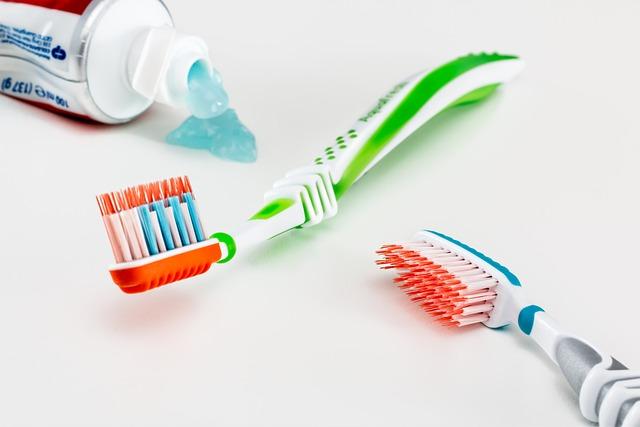
- Brush their teeth regularly: Just like humans, dogs need their teeth brushed to prevent plaque and tartar buildup. Use a toothbrush and toothpaste specifically designed for dogs.
- Provide dental chews and toys: Chewing on appropriate toys and treats can help reduce plaque and tartar. Look for products approved by the Veterinary Oral Health Council (VOHC).
- Feed a balanced diet: A nutritious diet can support your dog’s dental health. Consider feeding dental-specific dog food or treats that promote oral hygiene.
- Schedule regular vet check-ups: Your veterinarian can monitor your dog’s dental health and recommend professional cleanings when necessary. Early detection of dental issues is key to preventing more serious problems down the line.
Taking these simple steps can make a big difference in your dog’s dental health and avoid the need for invasive procedures like tooth extraction without anesthesia. Keep your dog’s smile bright and their teeth strong with proper at-home dental care.
Discussing Anesthesia Options with Your Veterinarian
When it comes to , it’s crucial to prioritize your pet’s safety and comfort. Anesthesia is commonly used during dental procedures for dogs to ensure they are pain-free and remain still for the necessary treatments. While some pet owners may be concerned about the risks associated with anesthesia, it’s important to trust your veterinarian’s expertise and recommendations.
During a dental cleaning or tooth extraction, your veterinarian will assess your dog’s overall health and determine the most suitable anesthesia option. They will consider factors such as age, size, breed, and any underlying medical conditions. Discussing these options with your vet will give you peace of mind and help you make informed decisions about your pet’s dental care.
It’s natural to have questions and concerns about anesthesia, but rest assured that veterinarians are trained professionals who prioritize the well-being of their patients. By openly communicating with your veterinarian and understanding the anesthesia options available, you can ensure that your dog receives the best possible care during dental procedures. Prioritize your pet’s oral health by scheduling regular dental check-ups and . Your furry friend will thank you with a happy and healthy smile!
Factors to Consider Before Opting for Anesthesia-Free Dental Procedures
Before deciding to opt for anesthesia-free dental procedures for your pet, there are several important factors to consider:
- Potential Discomfort: Anesthesia-free dental cleanings can be uncomfortable for pets, as they require holding the animal still for an extended period of time while various tools are used in their mouth.
- Efficacy of Cleaning: Anesthesia-free cleanings may not be as thorough as those performed under anesthesia, as it can be challenging to clean below the gum line and reach all areas of the mouth.
- Risk of Injury: Without anesthesia, there is an increased risk of accidental injury to both the pet and the dental technician during the cleaning process.
- Overall Health: It’s essential to consider your pet’s overall health and any underlying medical conditions that may make anesthesia-free dental procedures risky.
Proper Post-Extraction Care for Pets
After a pet undergoes a tooth extraction procedure, it is crucial to provide proper post-extraction care to ensure a smooth recovery process. Here are some essential tips to follow:
- Medication: Your vet may prescribe pain medication or antibiotics to help with any discomfort or prevent infection. It is important to administer these medications as directed.
- Diet: Feed your pet soft, moist food for at least a few days after the extraction to prevent any further irritation to the surgical site. Avoid feeding hard treats or bones.
- Activity: Limit your pet’s physical activity for a few days to allow for proper healing. Avoid any rough play or strenuous exercise during this time.
- Monitoring: Keep an eye on the surgical site for any signs of swelling, discharge, or excessive bleeding. If you notice any concerning symptoms, contact your vet immediately.
In conclusion, by following these simple guidelines, you can help your pet recover comfortably and quickly after a tooth extraction procedure. Remember to always consult with your vet if you have any questions or concerns about your pet’s post-operative care.
Choosing a Qualified Veterinarian for Your Pet’s Dental Needs
When it comes to your pet’s dental health, choosing a qualified veterinarian is crucial. Your furry friend’s teeth are just as important as your own, and proper dental care is essential for their overall well-being. But can a vet pull a dog’s teeth without anesthesia? The short answer is no. Anesthesia is necessary for any dental procedure on your pet, just like it is for humans.
So, how do you choose the right veterinarian for your pet’s dental needs? Here are a few tips to help you make an informed decision:
- Look for a vet who specializes in dental care for animals.
- Ask about their experience and training in pet dentistry.
- Check reviews and ask for recommendations from other pet owners.
- Make sure the vet has the necessary equipment for dental x-rays and procedures.
Remember, your pet’s dental health is just as important as any other aspect of their care. By , you can ensure that they receive the best possible treatment and maintain a healthy smile for years to come.
In Summary
In conclusion, while it may be possible for a vet to pull a dog’s teeth without anesthesia in some cases, it is not recommended due to the pain and stress it can cause your furry friend. Proper dental care, including regular cleanings and at-home maintenance, is crucial to keeping your pet’s mouth healthy and happy. By following these pet dental care tips, you can ensure that your companion’s pearly whites stay gleaming and their overall health remains in top condition. Remember, a healthy mouth equals a happy dog! So, take care of those chompers and watch your pup continue to smile from ear to ear.