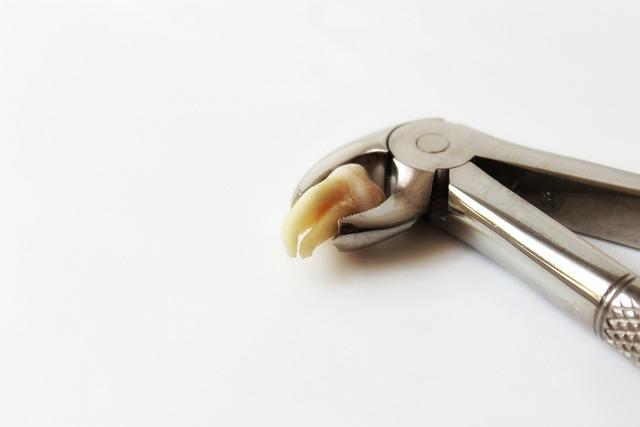
Can a General Dentist Pull Teeth? Dental Services Explained
Have you ever wondered if your general dentist is capable of pulling teeth? There’s a common misconception that only oral surgeons can perform extractions, but the truth is, many general dentists are fully trained and equipped to handle this procedure. In this article, we will explore the various dental services offered by general dentists, including their ability to pull teeth. Stay tuned to learn more about the range of services your general dentist can provide.
Contents
- Can a General Dentist Perform Tooth Extractions?
- Understanding the Scope of Practice for General Dentists
- Benefits of Having a General Dentist Pull Teeth
- Considerations for Tooth Extraction by a General Dentist
- Common Procedures Performed by General Dentists
- When to Seek a Specialist for Tooth Extraction
- Factors to Consider Before Allowing a General Dentist to Pull Teeth
- Training and Qualifications of General Dentists for Tooth Extractions
- Why Trust a General Dentist for Your Dental Services
- The Importance of Proper Aftercare Following a Tooth Extraction
- Future Outlook
Can a General Dentist Perform Tooth Extractions?
Yes, a general dentist can perform tooth extractions as part of their range of dental services. While some complex cases may require a specialist such as an oral surgeon, many routine extractions can be done by a general dentist. Here are some key points to consider:
- General dentists are trained to perform a variety of dental procedures, including extractions.
- They can assess the condition of the tooth and determine if extraction is the best course of action.
- General dentists may use local anesthesia to numb the area before extracting the tooth to minimize pain and discomfort for the patient.
- Aftercare instructions, such as how to care for the extraction site and manage any discomfort, will be provided by the dentist.
Overall, if you need a tooth extracted, a general dentist is often capable of providing this service in a safe and effective manner. Always consult with your dentist to determine the best treatment plan for your specific dental needs.
Understanding the Scope of Practice for General Dentists
General dentists play a crucial role in maintaining the oral health of their patients. They are trained to diagnose and treat a wide range of dental issues, from routine cleanings and fillings to more complex procedures. However, the scope of practice for general dentists is not unlimited. One common question that patients have is whether general dentists can pull teeth.
The scope of practice for general dentists includes:
- Performing routine check-ups and cleanings
- Administering fillings
- Performing root canals
- Placing crowns and bridges
While general dentists are trained to handle many dental procedures, there are limitations to their scope of practice. In most cases, general dentists can extract teeth that are decayed or damaged beyond repair. However, more complex extractions, such as impacted wisdom teeth, may require the expertise of an oral surgeon.

Benefits of Having a General Dentist Pull Teeth
Why You Should Consider Having a General Dentist Pull Your Teeth
General dentists are equipped to handle a wide range of dental procedures, including tooth extractions. While some may believe that only oral surgeons should perform tooth extractions, many general dentists are trained and experienced in this area as well. Here are some benefits of having a general dentist pull your teeth:
– Convenience: General dentists are typically easier to schedule appointments with compared to specialists. This means you can have your tooth extraction done sooner rather than later.
– Familiarity: If you already have a general dentist that you trust and are comfortable with, it may be reassuring to have them perform your tooth extraction.
– Cost-effective: In most cases, having a general dentist pull your teeth is more affordable than seeing a specialist like an oral surgeon.
– Continuity of care: By having your tooth extraction done by your regular dentist, you can ensure that they have full knowledge of your dental history and can provide personalized follow-up care.
In conclusion, while some may prefer to see a specialist for tooth extractions, there are many benefits to having a general dentist perform this procedure. It’s important to discuss your options with your dentist to determine the best course of action for your specific situation.
Considerations for Tooth Extraction by a General Dentist
When it comes to tooth extractions, many people wonder if a general dentist is capable of performing this procedure. The answer is yes, general dentists are trained to extract teeth when necessary. There are several considerations that a general dentist will take into account before recommending a tooth extraction:
- The condition of the tooth: If a tooth is severely decayed or damaged beyond repair, extraction may be the best option.
- Overall oral health: A general dentist will assess how the extraction may impact your oral health and make recommendations accordingly.
- Patient comfort: Dentists will ensure that patients are comfortable throughout the extraction process, using local anesthesia to numb the area.
It’s important to remember that a tooth extraction is a common and safe procedure when performed by a trained dental professional. If you have any concerns or questions about tooth extraction, don’t hesitate to speak with your general dentist.

Common Procedures Performed by General Dentists
General dentists are trained to perform a wide range of procedures to help maintain your oral health. While they primarily focus on preventive care, such as cleanings and exams, they are also able to perform more advanced procedures when necessary. One common procedure that general dentists may perform is extracting teeth.
Extractions are typically done when a tooth is severely decayed or damaged beyond repair. General dentists can pull teeth safely and effectively, often using local anesthesia to numb the area before removing the tooth. They may also provide options for replacing the extracted tooth, such as dental implants or bridges, to restore function and aesthetics.
Other include:
- Fillings: to treat cavities and restore the structure of decayed teeth
- Crowns: to cover and protect damaged or weakened teeth
- Root canals: to remove infected tissue from inside the tooth
- Deep cleanings: to treat gum disease and prevent further progression
Overall, general dentists play a crucial role in maintaining your oral health and are equipped to handle a variety of procedures to keep your smile healthy and beautiful.

When to Seek a Specialist for Tooth Extraction
In some cases, a general dentist may be able to perform a tooth extraction, especially if the procedure is straightforward. However, there are specific cases where it is best to seek the expertise of a specialist. Here are some instances when it is recommended to see a specialist for tooth extraction:
- If the tooth is impacted or positioned in a way that makes extraction challenging
- If the tooth is severely decayed or damaged
- If the patient has medical conditions that may complicate the extraction process
- If the patient requires sedation or general anesthesia for the procedure
Specialists such as oral surgeons or periodontists have advanced training and experience with complex extractions, making them better equipped to handle difficult cases. By seeking the expertise of a specialist, patients can ensure a safe and successful tooth extraction procedure. Don’t hesitate to consult with a specialist if you have any concerns about your upcoming tooth extraction.
Factors to Consider Before Allowing a General Dentist to Pull Teeth
Before allowing a general dentist to perform a tooth extraction, there are several important factors to consider. First and foremost, it is crucial to assess the dentist’s level of experience and expertise in the field of oral surgery. While general dentists are trained to perform basic extractions, more complex cases may require the skills of an oral surgeon.
Another key consideration is the overall health of the patient. Certain medical conditions, such as heart disease or diabetes, may increase the risk of complications during a tooth extraction. It is important for the dentist to review the patient’s medical history thoroughly before proceeding with the procedure.
Additionally, the condition of the tooth being extracted must be taken into account. Factors such as the location of the tooth, its size, and the presence of infection will all impact the complexity of the extraction. The dentist should carefully evaluate these factors to determine the best course of action.
Lastly, it is important to discuss post-operative care and potential complications with the dentist before the extraction takes place. Understanding what to expect during the recovery process and how to properly care for the extraction site will help ensure a smooth and successful healing process.
Training and Qualifications of General Dentists for Tooth Extractions
General dentists are trained professionals who are capable of performing tooth extractions as part of their scope of practice. They undergo extensive education and training to ensure they have the necessary skills and knowledge to safely and effectively extract teeth when needed. Here are some key points to consider when it comes to the :
- Educational Background: General dentists typically complete a four-year undergraduate degree followed by four years of dental school to earn a Doctor of Dental Surgery (DDS) or Doctor of Dental Medicine (DMD) degree.
- Clinical Experience: During dental school, general dentists receive hands-on training in a wide range of dental procedures, including tooth extractions. They also complete a residency program where they gain additional experience in performing extractions under the supervision of experienced dentists.
Overall, general dentists have the training, qualifications, and experience necessary to perform tooth extractions safely and effectively. If you are in need of a tooth extraction, you can trust your general dentist to provide you with the care you need.

Why Trust a General Dentist for Your Dental Services
General dentists are often the first line of defense for all your dental needs. While many people may think that only oral surgeons can pull teeth, general dentists are actually trained to perform tooth extractions as well. While complex cases may require a specialist, general dentists can handle most routine extractions with ease.
General dentists also provide a wide range of other dental services, including:
- Regular check-ups and cleanings
- Fillings
- Crowns and bridges
- Root canals
- Orthodontic evaluations
By trusting a general dentist for your dental services, you can benefit from their expertise in preventive care, restorative treatments, and overall oral health maintenance. Additionally, general dentists are often more accessible and convenient than specialists, making it easier to schedule appointments and receive timely care.
| Benefits of Seeing a General Dentist |
|---|
| Comprehensive care for all your dental needs |
| Convenient and accessible appointments |
| Cost-effective treatment options |

The Importance of Proper Aftercare Following a Tooth Extraction
Proper aftercare following a tooth extraction is crucial for ensuring a smooth and successful recovery process. By following your dentist’s instructions carefully, you can minimize the risk of complications and promote healing.
Some important aftercare tips to keep in mind include:
- **Bite on a gauze pad** – Bite down on a gauze pad to help control bleeding and promote blood clot formation.
- **Take pain medication** – Follow your dentist’s recommendations for pain relief medication to manage any discomfort.
- **Avoid strenuous activities** – Refrain from engaging in strenuous activities that could disrupt the healing process.
- **Eat soft foods** – Stick to a soft diet to avoid putting unnecessary pressure on the extraction site.
| Do | Don’t |
|---|---|
| Follow your dentist’s aftercare instructions | Smoke or use tobacco products |
| Rinse your mouth with salt water | Drink through a straw |
Remember, if you experience any severe pain, excessive bleeding, or other concerning symptoms following a tooth extraction, be sure to contact your dentist immediately for further guidance and assistance.
Future Outlook
In conclusion, when it comes to the question of whether a general dentist can pull teeth, the answer is a resounding yes. General dentists are trained and equipped to handle a wide range of dental procedures, including tooth extractions. While some complex cases may require the expertise of an oral surgeon, a general dentist is more than capable of handling routine extractions. Remember to always consult with your dentist to determine the best course of action for your dental needs. Don’t hesitate to reach out to your dentist for any concerns or questions you may have about your oral health. Take care of your teeth, and they will take care of you.